
SCIENCE & NUTRITION
The science behind Healthy Hay — low sugar, functional fibre, and purpose-built nutrition.
Low Sugar & Metabolic Health
Horses with insulin dysregulation (often seen in EMS) are at increased risk of laminitis. Nutrition strategies commonly focus on reducing dietary non-structural carbohydrates (NSC) and keeping the diet forage-based and fibre-forward.
Functional Fibre & Gut Health
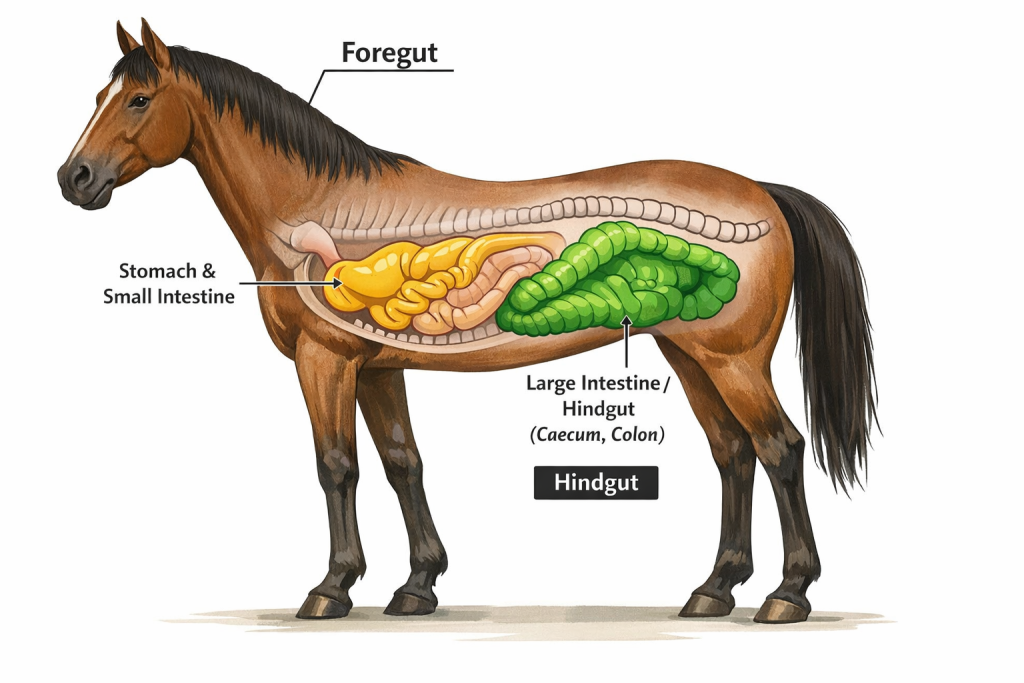
Fibre is the foundation of equine nutrition. The hindgut microbiome relies on fibre fermentation to support digestive stability and overall health. Diet composition and fibre type influence the hindgut environment.
Research Links:
Citrus Nutrition
Lime and lemon peel provide functional fibre plus naturally occurring citrus compounds (including flavonoids and polyphenols) that contribute to antioxidant activity and palatability—without relying on added sugar or sweeteners.
Hydration, Sweat and Electrolytes
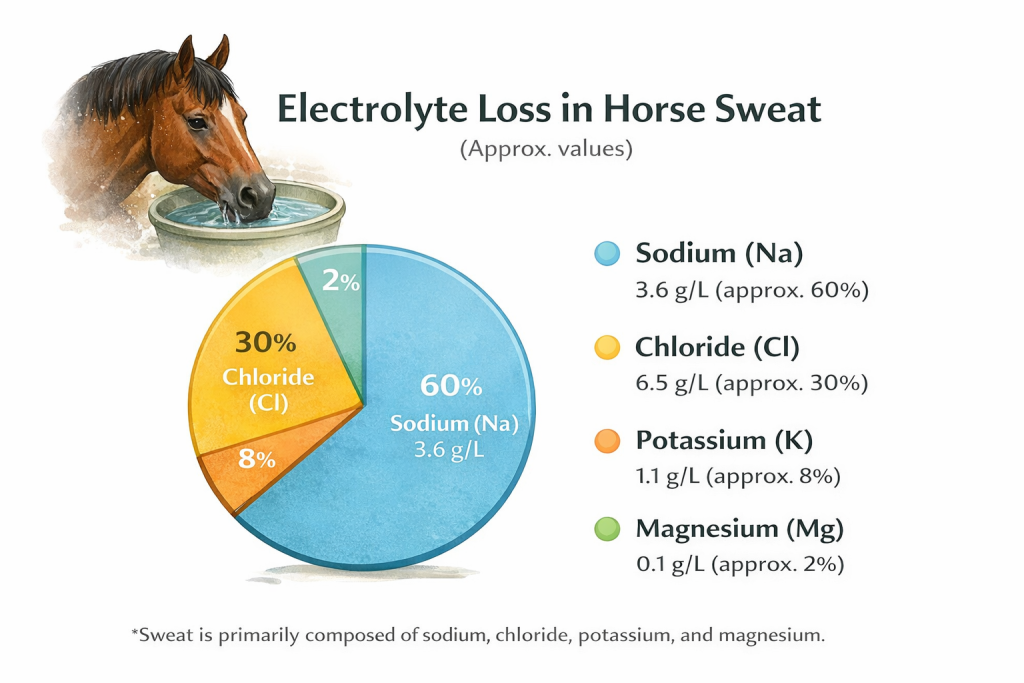
During exercise—especially in heat—horses can lose substantial fluid and electrolytes through sweat. Replacing sodium, chloride, potassium, and supporting hydration is an important part of performance and recovery.
Research Links:
Fluid & electrolyte balance in endurance horses (PubMed, 1998)
Kentucky Equine Research: Electrolytes and the performance horse (2019)
Further Reading
Low Sugar and Metabolic Health
- ECEIM Consensus Statement on Equine Metabolic Syndrome (2019)
- BEVA: Practical approach to hyperinsulinaemia & laminitis (2024)
- Kentucky Equine Research: Limiting NSC in metabolic horses (2025)
Functional Fibre & Gut Health